The Archway Over the Highway
📍 Kearney · Audubon Center, NE
The Great Platte River Road Archway Monument
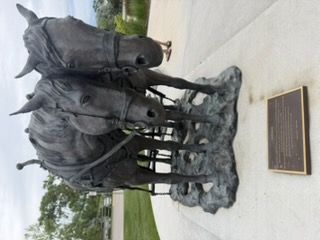
Outside the Monument were some extraordinary bronzes. I cannot imagine how long it took to create two horses, a plow, and a farmer.
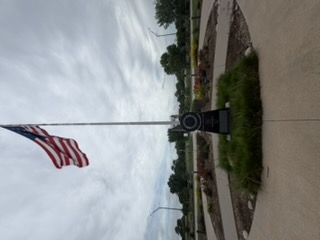
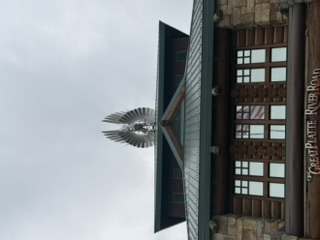
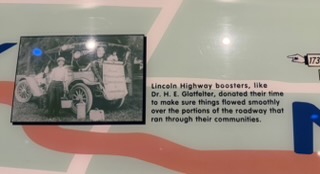
Once you enter, you’re given an audio device with access to 52 different stories, descriptions, and sounds tracing the progression of Interstate 80 — from wagon ruts to train tracks to highway. The Lincoln Highway stretches coast to coast. You enter and ride an escalator up. All the exhibits are housed in an arch built over the actual highway.
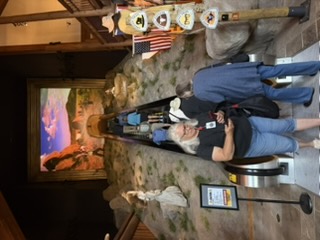
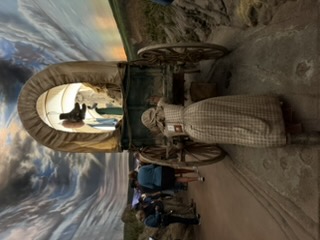
As seen from the roadway below:

What Sank In
Things I had heard but hadn’t fully absorbed until now: one out of every ten pioneers on the trails — Oregon, Mormon, California, Santa Fe — died. That works out to a grave roughly every mile to mile-and-a-half.
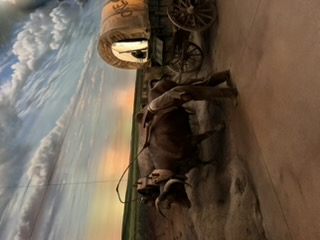
As wagons were packed with food, clothing, and household goods, the pioneers walked alongside. They pushed, pulled, and eventually threw large items overboard to lighten the load for the horses, mules, or oxen. Some guides would offer an “alternate route” they claimed was shorter — many times it was much longer, through tougher country.

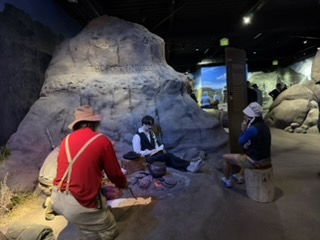
In 1849, the Gold Rush added even more travelers crossing the country. That’s one of our group in her bonnet, sitting beside the miners around the fire.
Railroads & the Open Road
As the exhibits unfolded, we saw the railroads being built and the challenge of connecting two large companies — asked to compete in a mile-for-mile track-laying race. Not exactly fair when one had to cross mountains.
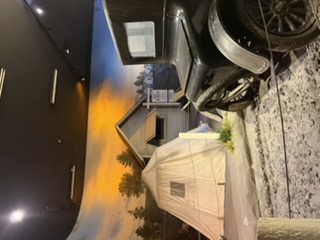
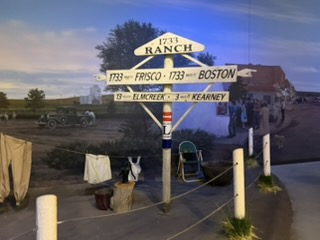
Then came the automobile, enabling Americans to “See the USA.” Tent camping and motor hotels became popular. The 133 Ranch was supposedly the halfway point between San Francisco and Boston — until someone challenged it and discovered the mileage was measured by railway, not highway.
The Soddy
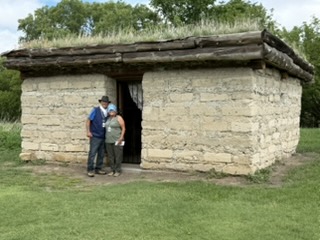
Across the Platte River we found a soddy — a small sod house built on homesteads where lumber was scarce and expensive to deliver. The plow was used to cut into the earth; the pieces of sod were then cut smaller and stacked that same day, since dry sod wouldn’t bond to the pieces around it. An arduous process. The result: warm in winter, cool in summer, and impossible to keep clean.
Iain Nicolson Audubon Center
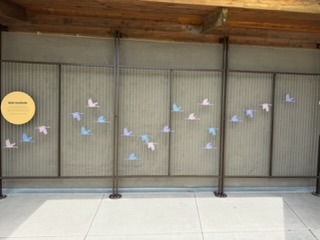
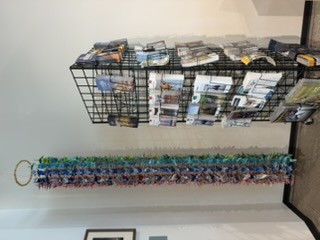
Next stop: the Audubon Center, where Sandhill Cranes can be seen during migration. Volunteers maintain the property; school groups visit during summer months.
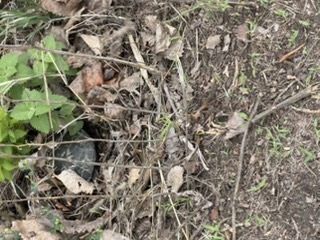
From our walks — the turtle was fine. I tapped his shell lightly to check, and he immediately pulled his head back under. Oops about the finger in the frame…


Can you spot the turtle’s new resting place? I’m sure no one will tap on his shell with all that camouflage.
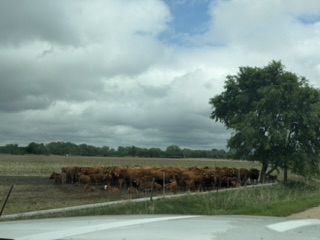
Storm Cattle
On the way back to the park, we saw all these cattle huddled near the trees — odd that the calves were all on the outside of the huddle. We watch for this as a sign of incoming storms, but once again we escaped a daytime downpour. 🍀
Dinner Surprise
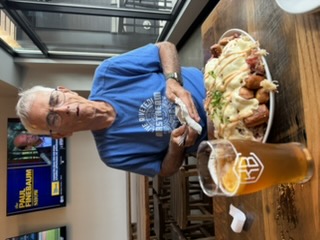
We were going to have a nice beer with an appetizer — but what showed up was this. A German “nacho” plate: pretzel bites, sauerkraut, corned beef, a lot of cheese, and a drizzle of sauce. Needless to say, three-quarters of it went into the fridge.
One Final Shot
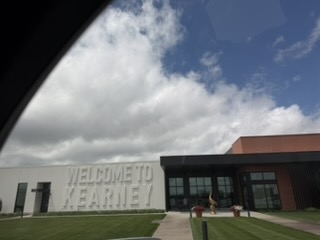
Welcome Center with a Sandhill Crane statue.
“The life my people want is a life of freedom. I have seen nothing that a white man has, houses or railways or clothing or food, that is as good as the right to move in the open country and live in our fashion.”
— Sitting Bull, Teton Sioux